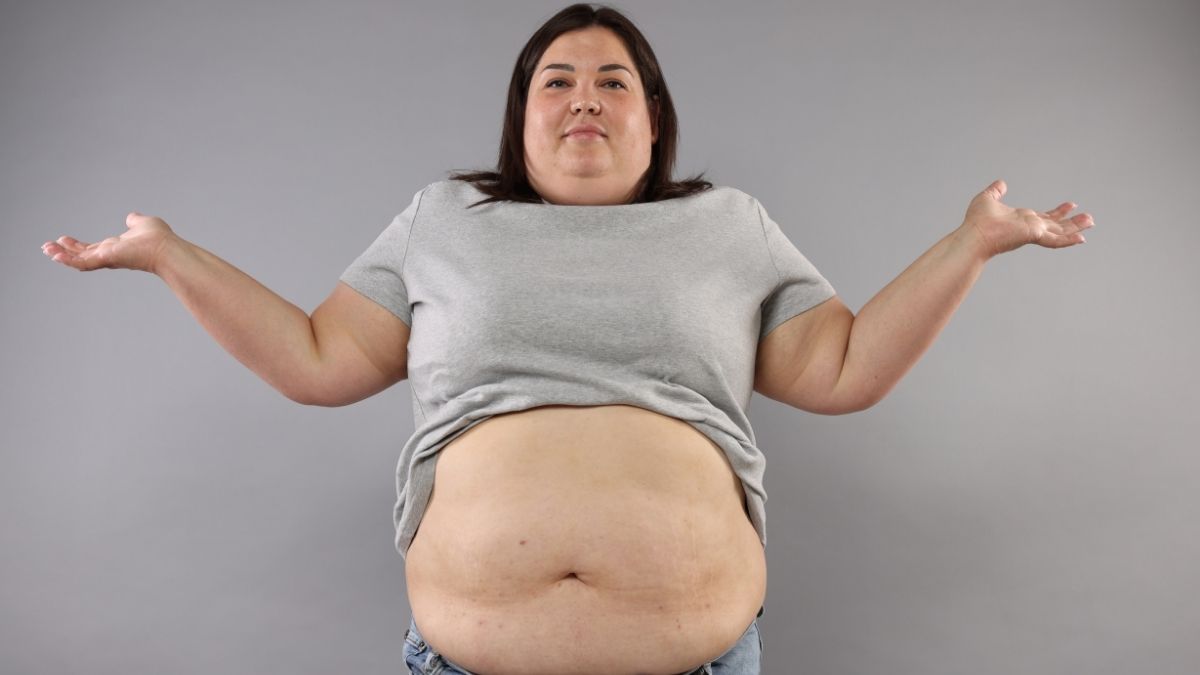
Fat is often treated as a single problem. In reality, where fat is stored matters more than how much you weigh.
Two people can share the same weight and body mass index yet carry very different health risks. The difference often comes down to fat distribution—specifically, visceral fat versus subcutaneous fat.
Understanding that distinction changes how you approach longevity, metabolic health, and even fitness goals.
What Subcutaneous Fat Actually Does
Subcutaneous fat sits directly beneath the skin. It’s the fat you can pinch on your arms, thighs, hips, or lower abdomen.
This type of fat serves biological purposes:
- Stores excess energy
- Provides insulation
- Cushions joints and organs
- Contributes to hormonal signaling
It has a soft texture and is visible in common “problem areas.”
While excess subcutaneous fat can affect mobility and aesthetics, it is not the primary driver of metabolic disease. In fact, some subcutaneous fat plays a protective role in overall health.
The key issue isn’t visible fat. It’s hidden fat.
Visceral Fat: The Metabolic Threat
Visceral fat is stored deep within the abdominal cavity. It wraps around vital organs such as the liver, pancreas, and intestines.
Unlike subcutaneous fat, visceral fat is metabolically active and inflammatory.
It contributes to disease by:
- Releasing inflammatory cytokines
- Increasing insulin resistance
- Disrupting blood sugar regulation
- Raising type 2 diabetes risk
- Accelerating cardiovascular disease
- Promoting fatty liver progression
- Contributing to cognitive decline
One of the most overlooked conditions related to visceral fat is TOFI: “Thin Outside, Fat Inside.” A person may look lean but still carry high levels of internal fat. The mirror cannot detect this risk.
Why Visceral Fat Directly Impacts Longevity
Excess visceral fat is strongly associated with all-cause mortality.
Research consistently links high visceral fat levels to:
- Metabolic syndrome
- Chronic systemic inflammation
- Hormonal disruption
- Accelerated biological aging
Longevity is less about body weight and more about metabolic stability.
A person with higher muscle mass and low visceral fat may live longer than someone lighter in weight but metabolically compromised. Weight alone does not determine healthspan.
Body composition does.
Why the Scale Fails as a Health Tool
Your bathroom scale measures total mass. It does not differentiate between:
- Muscle and fat
- Subcutaneous and visceral fat
- Hydration levels
- Glycogen fluctuations
Two individuals can weigh the same and have entirely different metabolic profiles. One may be strong and metabolically resilient. The other may carry significant internal fat and inflammation.
Without body composition data, you’re operating with incomplete information.
Tracking What Actually Matters
Modern body composition tools now measure more than weight. Advanced smart technology, such as Hume Health’s body composition system, provides insights into:
- Visceral fat levels
- Total body fat percentage
- Skeletal muscle mass
- Lean body mass
- Water distribution
- Metabolic indicators
This shifts health optimization from guesswork to measurable progress.
Consider two scenarios:
Scenario 1:
Your weight remains unchanged, but visceral fat decreases while muscle mass increases.
Your metabolic health is improving—even though the scale is static.
Scenario 2:
Your weight drops quickly, but muscle mass declines.
You may be compromising long-term metabolic resilience.
Tracking the right metrics changes how you approach nutrition, resistance training, sleep, and recovery.
Reducing Visceral Fat: Evidence-Based Strategies
The encouraging part is that visceral fat responds well to lifestyle intervention. It is more metabolically active, and therefore more responsive, than subcutaneous fat.
Resistance Training
Strength training improves insulin sensitivity and increases resting metabolic rate. Preserving muscle mass directly reduces visceral fat accumulation over time.
Adequate Protein Intake
Protein supports lean mass retention and appetite regulation. Maintaining muscle protects metabolic health during fat loss phases.
Sleep Optimization
Poor sleep elevates cortisol. Elevated cortisol drives abdominal fat storage, especially visceral fat. Aim for consistent, high-quality sleep between seven and nine hours per night.
Blood Sugar Stability
Limit ultra-processed carbohydrates. Increase fiber-rich whole foods. Monitor personal glucose responses when possible.
Stable blood sugar reduces fat-storage signaling.
Stress Regulation
Chronic stress sustains cortisol elevation.
Sustained cortisol promotes central fat accumulation.
Stress management is not optional for metabolic health.
When these strategies are tracked with consistent body composition data, progress becomes visible and sustainable.
The Real Longevity Metric
Subcutaneous fat changes how you look. Visceral fat changes how long and how well you live.
Longevity is not about chasing a lower number on the scale. It’s about improving insulin sensitivity, reducing inflammation, and preserving muscle as you age.
Measuring visceral fat trends, protecting lean mass, and making decisions based on data—not assumption—creates a more accurate roadmap for long-term health.
Sustainable health is measurable. And what you measure determines what improves.
Leave a Reply