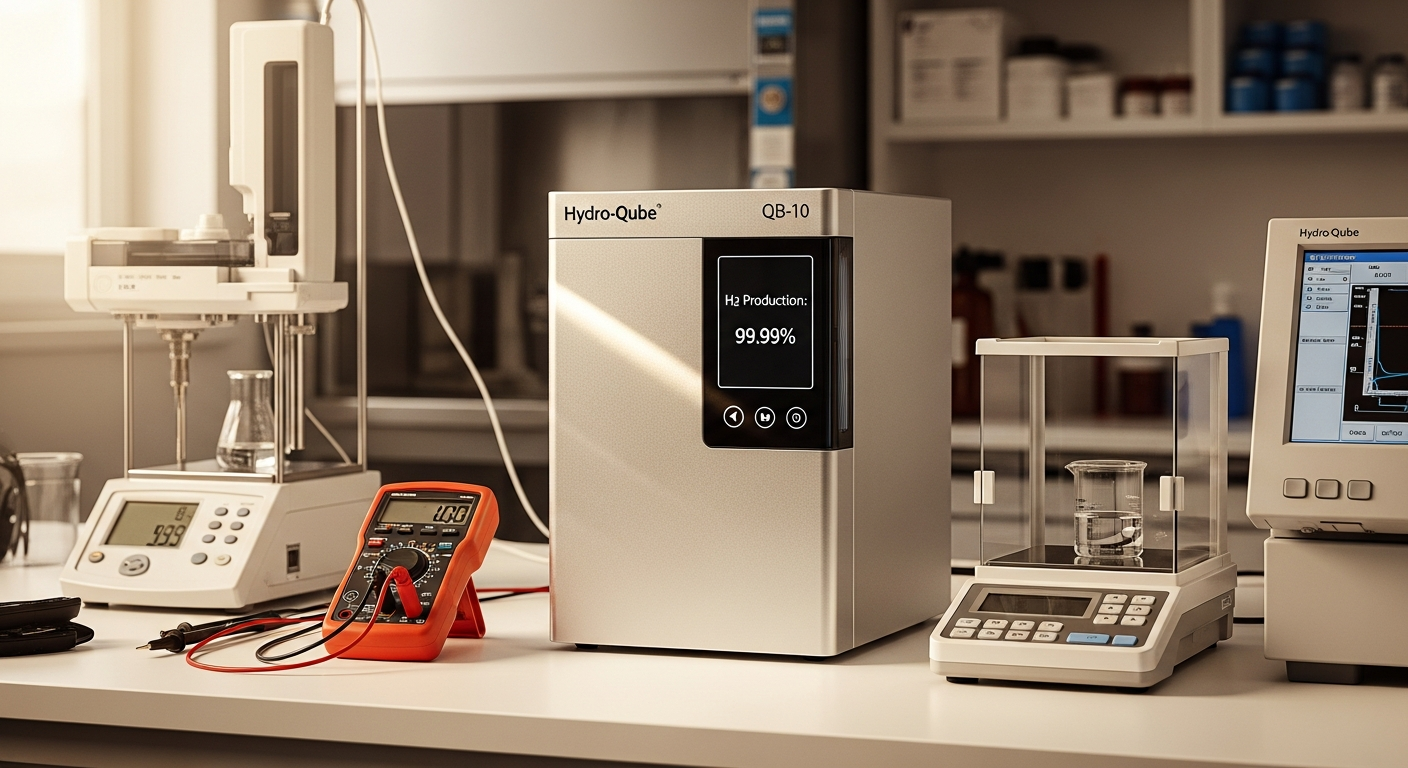
Hydrogen therapy is gaining attention in clinical and wellness settings. However, not all generators meet the standards required for professional use. The Hydro-Qube QB-10 is designed specifically for facilities that need consistent output, measurable performance, and long-term reliability.
This guide breaks down how it performs and where it fits.
Advanced PEM Technology for High-Purity Output
The QB-10 uses Proton Exchange Membrane (PEM) electrolysis. This process separates water into hydrogen and oxygen with high precision.
Key advantages include:
- Consistent gas separation without contamination
- Higher purity compared to standard electrolysis
- Reliable performance for clinical environments
The system produces a fixed ratio of 66.6% hydrogen and 33.3% oxygen. This supports repeatable results and standardized protocols.
Output Capacity Designed for Continuous Use
The generator is built for high-demand environments. It supports continuous operation without frequent interruptions.
Performance highlights:
- Gas output of up to 1200–1400 ml per minute
- 3-liter tank capacity for extended sessions
- 24/7 operation capability
This allows clinics to run back-to-back sessions without downtime. It improves workflow efficiency and client throughput.
Build Quality That Supports Long-Term Reliability
Durability is critical for professional equipment. The QB-10 uses materials designed for long-term use.
Construction features:
- 316L stainless steel internal components
- Powder-coated aluminum exterior
- Corrosion-resistant design
These materials help maintain gas purity and reduce wear over time. The system is built to handle daily use in clinical settings.
Smart Controls and Diagnostics
The QB-10 includes a 4.3-inch touchscreen interface. This allows users to monitor and adjust settings easily.
Capabilities include:
- Real-time diagnostics for gas production
- Adjustable flow rates for different protocols
- Data tracking for session consistency
This adds a level of control not found in consumer-grade systems.
Maintenance and Operational Considerations
While the system is advanced, it still requires routine maintenance.
Key requirements:
- Use of distilled or demineralized water
- Regular system checks and cleaning
- Cell replacement after 10,000–20,000 hours
These steps ensure consistent performance and extend equipment lifespan.
Facilities must also plan for water supply and electrical stability.
Cost and Return on Investment
The QB-10 is a premium system with a price around $8,900. This makes it a significant investment.
However, value comes from:
- High session capacity
- Reliable long-term operation
- Ability to support premium service pricing
Clinics with steady client volume can recover costs within months, depending on pricing strategy.
Who This System Is Designed For
The QB-10 is not for casual or low-volume use. It is built for professional environments.
Ideal users include:
- Wellness clinics and therapy centers
- Anti-aging and recovery facilities
- Research institutions
- High-volume service providers
It may not be suitable for small practices or occasional use.
A Professional Tool for Scalable Hydrogen Therapy
The Hydro-Qube QB-10 focuses on precision, consistency, and scalability. It delivers high-purity hydrogen output while supporting continuous operation.
The investment is significant, but for the right facility, it becomes a revenue-generating asset rather than an expense. It enables structured protocols, reliable results, and efficient workflows.
For clinics ready to scale hydrogen therapy services, the QB-10 offers a complete and professional-grade solution.
Explore the Hydro-Qube QB-10 today and evaluate how it fits into your facility’s long-term growth strategy.
Leave a Reply