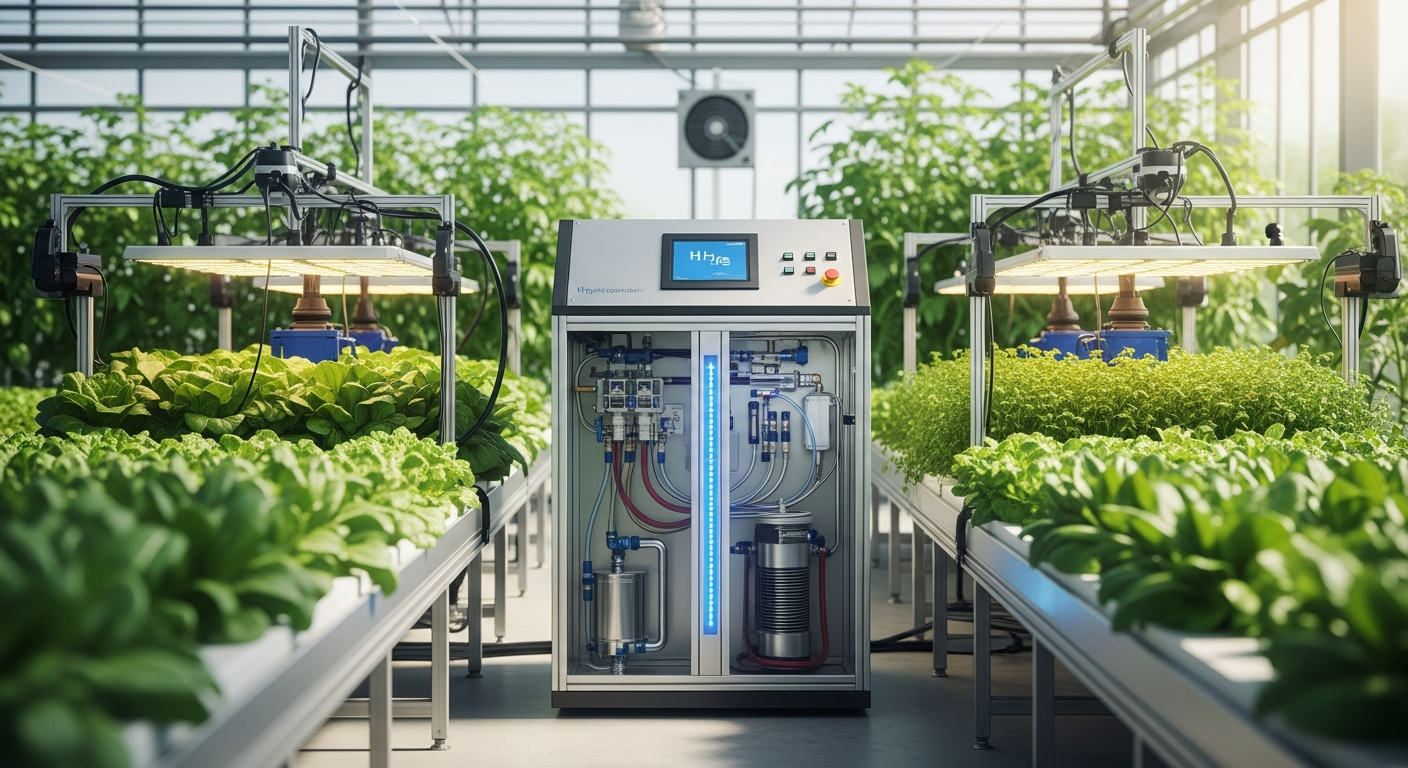
Modern agriculture faces rising costs and increasing pressure to reduce chemical dependency. Traditional farming methods often rely heavily on fertilizers and treatments, which can affect long-term sustainability.
Commercial molecular hydrogen oxygen generators offer a different approach. They focus on improving plant and animal health at a biological level rather than relying on external chemical inputs.
How the Technology Works in Agriculture
These systems use electrochemical processes to split water into hydrogen and oxygen gases. The result is a clean and controlled output suitable for agricultural use.
Key functions include:
- Producing pure hydrogen for irrigation and water systems
- Generating oxygen as a usable byproduct
- Delivering gas without chemical contamination
The generated hydrogen is introduced into water systems, where it interacts with plant roots or aquatic environments.
The system components are built for long-term use, often lasting thousands of operating hours before replacement is needed.
Improving Plant Health at the Cellular Level
Molecular hydrogen works by reducing oxidative stress in plant cells. This helps plants respond better to environmental challenges.
Benefits include:
- Improved resistance to stress conditions
- Enhanced recovery from temperature or nutrient changes
- Stronger overall plant structure
This process supports natural plant functions rather than forcing growth through chemicals.
Better Nutrient Absorption and Growth Efficiency
Hydrogen-enriched water improves how plants absorb nutrients. This leads to more efficient use of fertilizers and resources.
Key effects:
- Increased uptake of essential minerals
- Improved root system performance
- Faster and more stable growth cycles
Some systems report measurable growth improvements, especially in controlled environments like hydroponics.
Applications Across Different Farming Systems
These generators are designed for flexibility. They can be used in multiple agricultural setups.
Common applications include:
- Hydroponics and aeroponics for direct nutrient delivery
- Aquaculture systems to improve water quality
- Greenhouses for controlled crop production
- Large-scale irrigation for field farming
This adaptability allows farms to integrate the technology without major infrastructure changes.
Cost and Long-Term Value
The initial investment is higher than standard equipment. However, the long-term value comes from reduced operating costs.
Typical benefits include:
- Lower chemical input expenses
- Improved crop quality and yield
- Reduced maintenance compared to complex systems
Over time, these savings can offset the initial cost, especially for large or high-output operations.
Maintenance and System Longevity
These systems are designed for durability. They require minimal maintenance compared to traditional agricultural equipment.
Routine care includes:
- Monitoring water quality
- Checking system performance
- Replacing components after extended use
The simplified design helps reduce downtime and operational complexity.
Who Should Consider This Technology
Molecular hydrogen generators are best suited for farms focused on efficiency and sustainability.
They are ideal for:
- Large-scale agricultural operations
- Hydroponic and greenhouse growers
- Aquaculture facilities
- Farms aiming to reduce chemical use
They may not be necessary for small-scale or low-intensity operations.
A Shift Toward Sustainable Farming Practices
Commercial molecular hydrogen oxygen generators represent a shift in how farms approach productivity. Instead of relying on chemical inputs, they support natural biological processes.
The result is improved efficiency, better crop quality, and reduced environmental impact. While the initial investment is significant, the long-term benefits make it a practical option for farms looking to modernize operations.
For agricultural businesses focused on sustainability and performance, this technology offers a clear path forward.
Leave a Reply