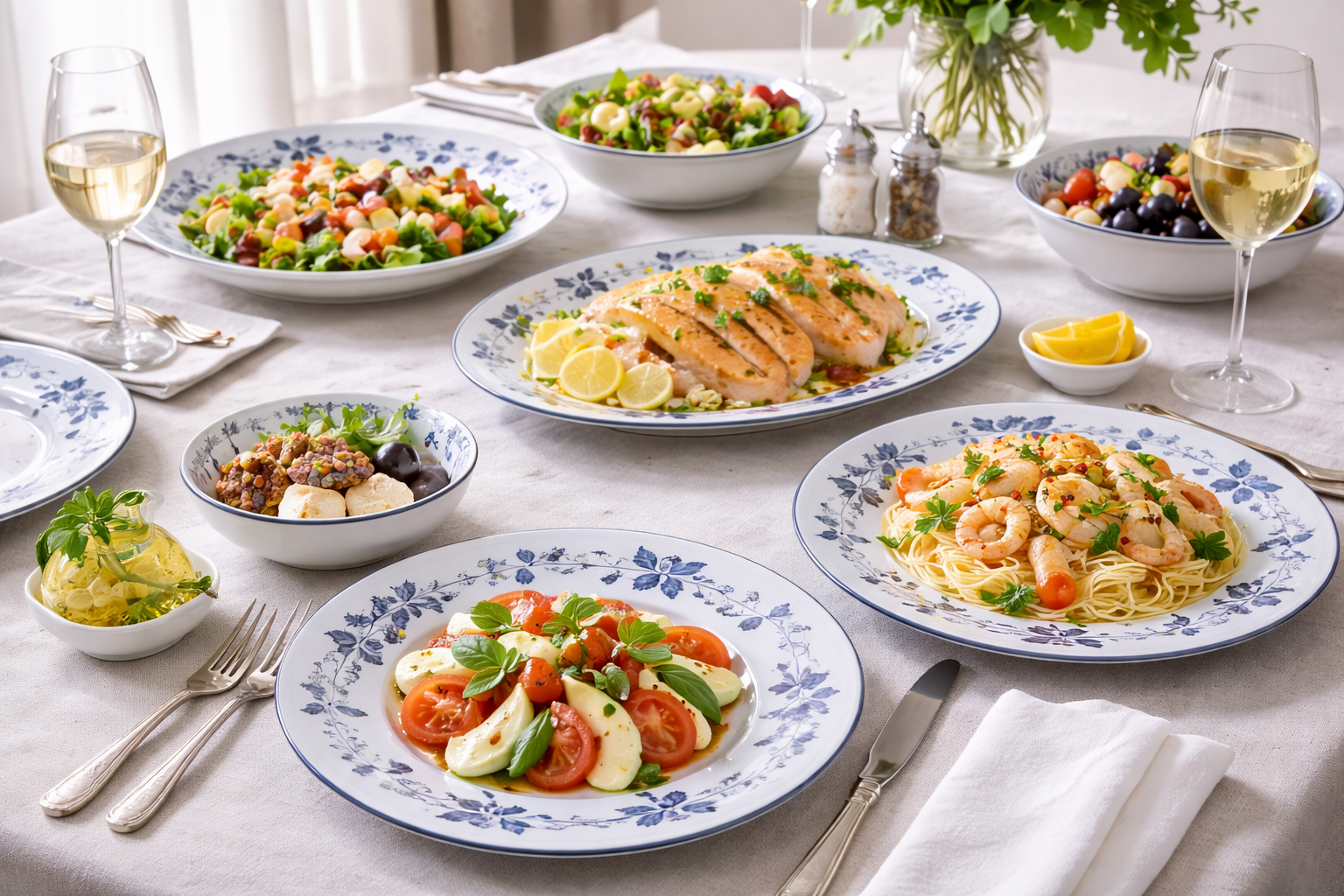
A great table setting quietly speaks for you. Wedgwood dinnerware has built that reputation over centuries, blending refined design with practical use.
You get pieces that feel light in your hands yet hold up through regular meals and special occasions. That balance is what keeps this brand relevant today.
You will notice the difference the moment you handle a plate or teacup. The finish feels smooth, the edges look precise, and the patterns carry a level of detail that stands out without overwhelming your table.
This guide breaks down what makes Wedgwood worth your attention, from materials to pricing, along with real-world insights you can actually use. .
Wedgwood Dinnerware: Materials, Craftsmanship, and What You Get
When you explore Wedgwood dinnerware, you are choosing between three main materials. Each one changes how your tableware looks, feels, and performs over time.
- Fine bone china
Contains 30–50% bone ash. This gives you a lighter piece with a soft translucency. The rim is thin, usually around 2–4 mm, which creates an elegant profile. Despite the delicate look, it holds up well with proper care.
- Porcelain
Slightly thicker at 3–5 mm. You get more durability compared to bone china, though with less translucency. This works well for frequent use. - Stoneware
Thicker and heavier at 5–8 mm. This is the most durable option. It resists scratches and chips better, making it ideal for busy households.
From hands-on use, bone china feels best for formal settings, while stoneware works better for daily meals. Porcelain sits comfortably in between.
How Wedgwood Dinnerware Fits Different Lifestyles
You are not limited to formal dining with this brand. Many collections are built for flexibility.
If you host often, lighter bone china adds elegance without feeling fragile. For daily use, porcelain and stoneware collections give you peace of mind. You can mix pieces across collections as long as you stay within similar tones.
For example, pairing Gio plates with simpler white bowls creates a layered table setting that looks intentional without extra effort.
Wedgwood Dinnerware Sets and Pricing Breakdown
Pricing reflects craftsmanship, design, and collection type. Based on official U.S. pricing, here’s what you can expect:
Plates
- Dinner plates: $25–$250
- Salad plates: $20–$120
- Bread plates: $15–$60
Bowls
- Cereal bowls: $25–$90
- Soup bowls: $30–$100
- Pasta bowls: $35–$120
Drinkware
- Mugs: $15–$50
- Teacups: $35–$90
- Saucers: $25–$70
Serving Pieces
- Platters: $120–$350
- Serving bowls: $80–$250
- Gravy boats: $70–$180
Tea and Specialty Items
- Teapots: $150–$500+
- Sugar bowls: $60–$150
- Creamers: $50–$120
A 16-piece set typically ranges from $300 to $3,000. Larger sets can exceed $4,000 depending on the collection.
Best Wedgwood Dinnerware Collections Compared
Each collection targets a different style and budget. You can narrow your choice by understanding what each offers.
- Gio Collection
Modern and minimal. Plates cost $40–$70. A 16-piece set runs $600–$1,000. - White Collection
Clean and simple. Plates range from $30–$60. Sets cost $400–$800. - Intaglio Collection
Classic design with subtle detailing. Plates cost $60–$100. Sets range from $900–$1,500. - Vera Wang Wedgwood
Designer collaboration with refined styling. Plates cost $90–$150. Sets can reach $3,500+. - Florentine Collection
Highly decorative and luxurious. Plates range from $150–$250. Full sets can exceed $6,000.
From real usage, Gio works best for modern homes, while Florentine stands out for formal dining and display.
Is Wedgwood Dinnerware Worth the Price?
You pay more upfront, so value matters.
If you use a $1,200 set over five years, the cost per use stays low for regular meals. This makes it practical if you actually use the pieces instead of storing them.
You also get consistent replacement availability. That matters when a plate breaks and you want to maintain a complete set.
Wedgwood Bone China vs Porcelain: What You Should Choose
Your choice depends on how you plan to use the dinnerware.
Bone china works best if you care about presentation. It feels lighter and looks more refined.
Porcelain gives you better durability for daily use. It handles minor impacts more confidently.
Stoneware is your safest option if durability is your top concern, though it lacks the refined finish of bone china.
A practical approach is to combine them. Use bone china for guests and porcelain for everyday meals.
Durability and Everyday Use Insights
Durability varies by material:
- Bone china: medium chip resistance
- Porcelain: medium-high durability
- Stoneware: high resistance to chips and scratches
In real use, bone china can last years if handled carefully. Most chips happen from stacking or hard impacts in the sink.
If you prefer low-maintenance use, porcelain or stoneware will reduce stress during cleaning and storage.
Care Tips to Make Wedgwood Dinnerware Last Longer
Proper care extends the life of your dinnerware.
- Use dishwasher cycles below 65°C
- Avoid stacking heavy items on delicate plates
- Keep metallic-trim pieces out of the microwave
- Use soft separators when storing
You will notice that non-metallic pieces handle dishwashers well. Decorative pieces need a bit more attention.
Replacement Costs and Long-Term Ownership
Replacing pieces is part of owning premium dinnerware.
- Standard plates: $40–$120
- Premium plates: $120–$250
- Bowls and cups: $35–$90
For example, replacing four plates and two bowls can cost around $400+. Planning for occasional replacements helps avoid surprises.
This is one area where buyers sometimes hesitate. Still, consistent availability makes it easier to maintain your collection over time.
Pros and Cons of Wedgwood Dinnerware
Advantages
- Wide range of styles and collections
- High-quality materials and finish
- Strong brand heritage and design consistency
- Easy to expand or replace pieces
Limitations
- Replacement costs can add up
- No lifetime breakage warranty
- Some collections require careful handling
Looking at both sides helps you decide based on your lifestyle, not just appearance.
Real-World Use: What You Notice Over Time
After extended use, a few things stand out.
Bone china keeps its visual appeal even after frequent use. The glaze resists dulling, and patterns stay sharp.
Porcelain pieces tend to show fewer chips over time. This makes them more forgiving in busy kitchens.
Stoneware feels dependable. It handles daily use with minimal wear, especially in households with frequent meals.
These observations come from practical use, not just product descriptions.
How You Choose the Right Wedgwood Dinnerware Set
Focus on three factors:
- Usage – Daily meals or formal dining
- Durability – How much handling the pieces will get
- Style – Minimal, classic, or decorative
If you want flexibility, start with a 16-piece set. You can expand later with serving pieces and specialty items.
Mixing collections can also give your table a more personal look without overspending.
Conclusion
Wedgwood dinnerware offers a balance of craftsmanship, design, and usability that few brands match. You get pieces that work for both everyday meals and special occasions, depending on the collection you choose.
The investment makes more sense when you plan to use the dinnerware often. It becomes part of your routine instead of something stored away. Over time, that daily use adds real value.
If you want tableware that feels refined yet practical, this brand delivers. Take a closer look at the collections that match your lifestyle and build a set that works for you.
Leave a Reply