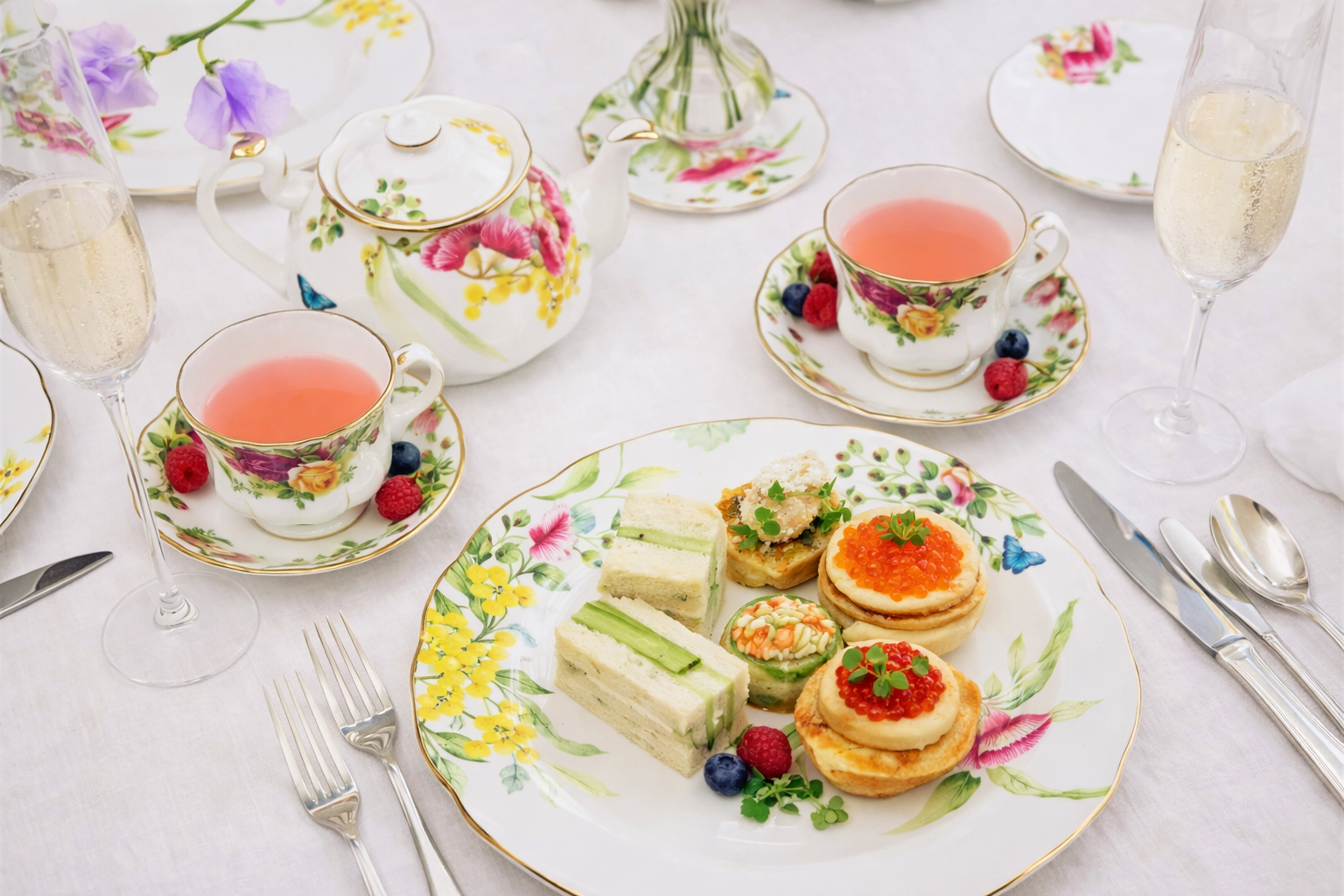
Fine china can feel like a small luxury that changes how your table looks and feels. When you explore Wedgwood Royal Albert collections, you quickly notice two distinct styles under one parent company.
Each brand brings its own balance of durability, design, and long-term value. That difference matters when you plan everyday dining or build a collection for special occasions.
You want pieces that match your lifestyle, not just your taste. Some sets handle daily use with ease, while others shine during formal gatherings. Pricing, care requirements, and resale value all play a role in your decision.
Wedgwood Royal Albert: Core Differences You Need to Know
Wedgwood and Royal Albert both fall under Fiskars Group, yet they serve different purposes on your table.
Wedgwood leans toward practical luxury. You get refined design with durability that supports regular use. Many collections work well for both casual meals and small gatherings.
Royal Albert focuses on decorative elegance. Floral patterns, gold trim, and delicate construction create a more formal look. These pieces often become part of a display or collection rather than daily use.
In simple terms:
- Wedgwood = functional elegance
- Royal Albert = collectible beauty
This distinction shapes everything from pricing to care routines.
Material Quality and Fine Bone China Construction
Both brands use fine bone china in premium lines. This material typically includes bone ash, which creates a lightweight yet strong structure.
Wedgwood offers more variety. You’ll find:
- Fine bone china
- Porcelain
- Stoneware
That range gives you flexibility based on how you plan to use the pieces.
Royal Albert stays focused on fine bone china only. The result is thinner, more translucent pieces with a refined look. You’ll notice the difference when holding a teacup up to light.
Industry references, including ceramics manufacturing standards, show that bone china is valued for strength and translucency compared to standard porcelain. That explains why both brands rely on it for premium collections.
Design Style and Visual Appeal
Design is where the difference becomes obvious.
Wedgwood offers a wide range:
- Minimalist patterns
- Contemporary styles
- Classic embossed designs like Jasperware
This flexibility makes it easier to match modern kitchens or mixed table settings.
Royal Albert focuses on a signature look:
- Floral prints
- Gold trim accents
- Scalloped edges
These elements create a traditional English tea aesthetic. You often see Royal Albert used for afternoon tea setups or display cabinets.
If your goal is versatility, Wedgwood gives more options. If your goal is a statement piece, Royal Albert stands out.
Wedgwood vs Royal Albert Pricing in the U.S.
Pricing varies by collection and design complexity, based on official U.S. retail ranges.
Wedgwood Pricing
Entry-level:
- Plates: $25–$50
- Bowls: $20–$45
- Mugs: $15–$35
Mid-tier (fine bone china):
- Plates: $50–$90
- Cups & saucers: $70–$120
- Teapots: $120–$250
Premium lines:
- Plates: $90–$150
- Teapots: $250–$500+
Royal Albert Pricing
Standard collections:
- Plates: $60–$110
- Cups & saucers: $80–$150
- Teapots: $180–$350
Premium and limited editions:
- Plates: $100–$160
- Teapots: $250–$450+
Royal Albert consistently costs more due to its decorative focus and collectible demand.
Complete Set Pricing Comparison
If you plan to buy a full set, the cost difference becomes clearer.
Wedgwood sets:
- 12-piece: $600–$1,500
- 16-piece: $800–$2,000
- Full service: $2,000–$5,000+
Royal Albert sets:
- 12-piece: $700–$1,800
- 16-piece: $900–$2,400
- Full service: $2,500–$6,000+
Royal Albert sets often command higher prices due to design complexity and collector interest.
Durability and Everyday Use
Durability plays a major role in long-term satisfaction.
Wedgwood is built for regular use. Many collections:
- Are dishwasher safe (without metallic trim)
- Are microwave safe
- Offer moderate chip resistance
Royal Albert requires more careful handling:
- Hand wash only
- Not microwave safe due to gold trim
- Lower chip resistance
If your tableware sees daily use, Wedgwood offers more convenience. Royal Albert works better for occasional use or display.
Replacement Costs and Long-Term Value
Breakage happens, so replacement cost matters.
Wedgwood replacements:
- Plates: $40–$120
- Easy to find modern pieces
Royal Albert replacements:
- Plates: $60–$150 standard
- Vintage pieces: $100–$300+
Royal Albert becomes more expensive to maintain over time, especially if your pattern gets discontinued.
Collector Value and Resale Potential
This is where Royal Albert gains a strong advantage.
Wedgwood resale value:
- Typically 40–70% of retail price
Royal Albert resale value:
- Rare pieces can reach 100–200% of original price
Collectors drive this demand. Limited editions and discontinued patterns often increase in value.
Market insights from auction platforms and collector communities show consistent demand for Royal Albert vintage sets, especially floral collections.
Real Use Cases: Which One Fits Your Lifestyle
Choosing between these brands depends on how you plan to use them.
Wedgwood works best for:
- Daily dining
- Family gatherings
- Mixed table settings
- Practical elegance
Royal Albert fits better for:
- Formal tea service
- Display collections
Special occasions
Collectors and enthusiasts
You can also mix both. Many households use Wedgwood daily and bring out Royal Albert for events.
First-Hand Experience and Practical Insight
Handling both brands reveals differences that specs alone don’t show.
Wedgwood feels stable when stacking plates or loading a dishwasher. You spend less time worrying about chips or cracks.
Royal Albert feels more refined in hand. The thin edges and glossy finish create a premium feel, though you naturally handle each piece more carefully.
In real use, Wedgwood becomes part of your routine. Royal Albert becomes part of your presentation.
If your priority is convenience, Wedgwood delivers. If your focus is visual impact, Royal Albert stands out.
Common Concerns and Limitations
You may have a few concerns before choosing.
Wedgwood limitations:
- Some designs feel less decorative
- Not all collections have strong resale value
Royal Albert limitations:
- Fragility requires careful handling
- Higher replacement costs
- Not ideal for everyday use
Both brands maintain strong quality control, but your experience depends on how you use the pieces.
Final Thoughts
Choosing between Wedgwood and Royal Albert comes down to your lifestyle and priorities. You want tableware that fits your routine, not just your taste.
Wedgwood gives you durability, flexibility, and ease of use. Royal Albert gives you elegance, detail, and collector appeal.
If you enjoy hosting often or want low-maintenance pieces, Wedgwood makes sense. If you value design and presentation, Royal Albert adds a refined touch to your table.
Take a moment to think about how you plan to use your set. That decision will guide you toward the right choice.
Leave a Reply