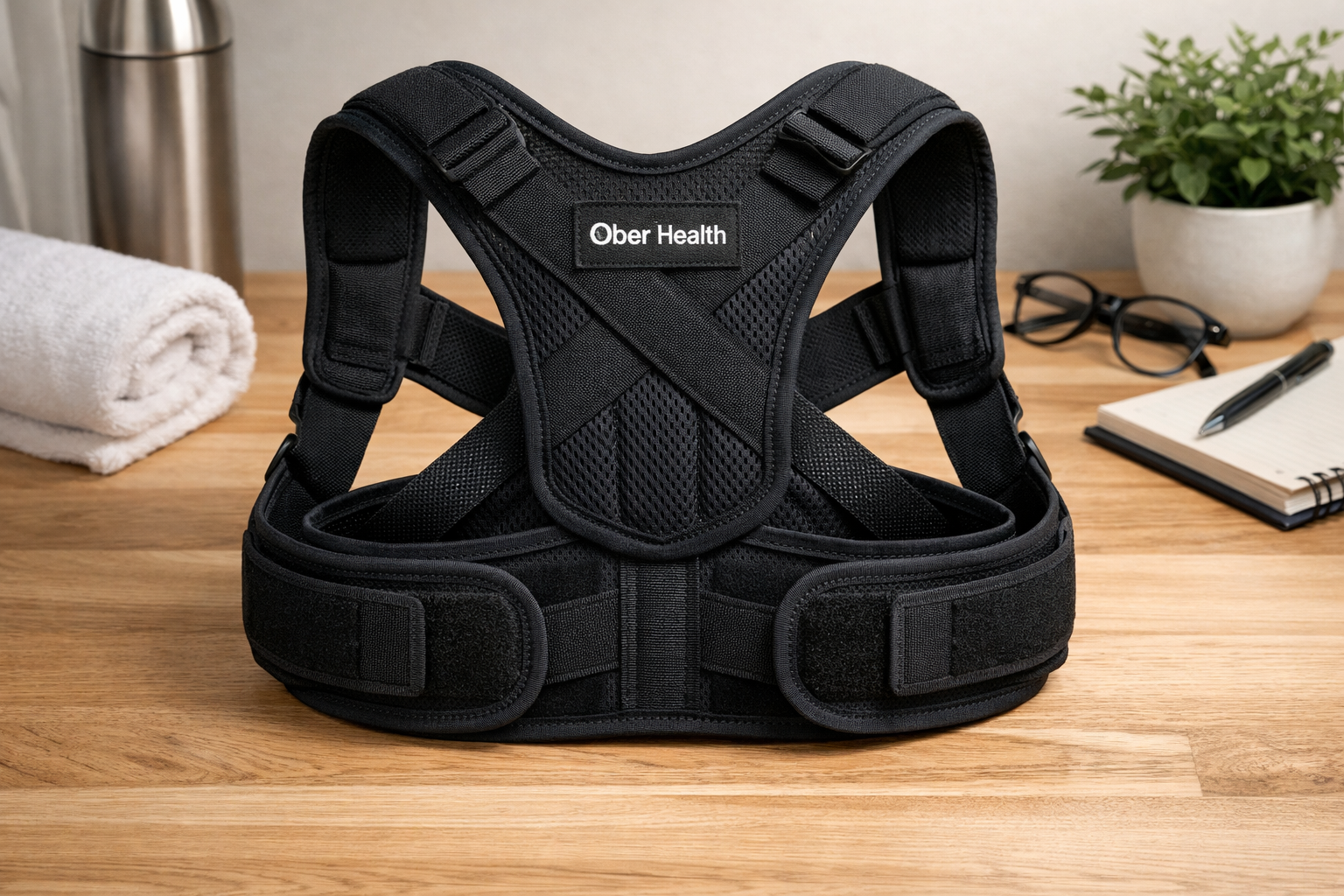
Slouching has quietly become part of everyday life. Hours at a desk, long phone use, and limited movement often push shoulders forward and strain the upper back. Over time, that habit can lead to stiffness, neck tension, and fatigue.
Ober Health posture correctors aim to address that problem by guiding your shoulders into a healthier position while supporting your upper spine. Instead of forcing a rigid posture, the brace applies gentle tension that encourages better alignment throughout the day.
Many users turn to posture braces after noticing discomfort during computer work or studying. A supportive design can help train muscle memory so your body gradually maintains better posture without constant effort.
If improving posture and reducing upper-back strain sounds appealing, a closer look at this orthopedic brace helps clarify how it works and what to expect.
Ober Health Posture Correctors: What You Should Know First
The Ober Health posture correctors are orthopedic braces designed to guide your shoulders backward and support the upper spine. The design focuses on retraining posture habits rather than locking your body in a stiff position.
When you wear the brace, light tension across the shoulders encourages your body to sit upright. That tension helps counter the forward-leaning posture that often develops during desk work or long screen sessions.
A reinforced support plate positioned along the upper back stabilizes the spine while the shoulder straps distribute pressure evenly.
The corrector mainly targets:
- Rounded shoulders
- Forward head posture
- Upper-back fatigue
- Neck strain linked to desk work
According to the National Institutes of Health, poor posture from prolonged sitting can increase musculoskeletal discomfort and spinal stress. Supportive devices combined with exercise can help reduce that strain.
The brace works best as a posture training tool used alongside daily movement and strengthening exercises.
Key Features That Support Better Posture
The design of this brace focuses on stability, comfort, and everyday wearability.
Shoulder Retraction System
Elastic shoulder straps gently pull your shoulders back. This position encourages a neutral spine alignment during sitting and walking.
Over time, consistent use can help your body recognize healthier posture patterns.
Reinforced Spinal Support Plate
An aluminum alloy support plate stabilizes the upper back region. The semi-rigid structure supports alignment while still allowing movement.
This design differs from cheaper braces that rely only on elastic straps.
Breathable Fabric Construction
The corrector uses mesh fabric that promotes airflow. This helps reduce sweat buildup during long wear sessions.
Many users report that breathable materials make a noticeable difference during daily use.
Discreet Profile
The slim shape allows the brace to fit under shirts or jackets. That makes it easier to wear at work, while studying, or during light outdoor activity.
Pricing and Value From the Official Website
The product sits in the mid-range orthopedic brace category.
| Model | Original Price | Discount Price |
| Standard Ober Health Posture Corrector | $139.99 | $79.99 |
| Full Back Posture Corrector | $149.99 | $92.99 |
Prices may vary slightly depending on size availability and promotional offers.
Lower-cost posture braces in the market often range from $24.99 to $49.99, though they usually lack reinforced support plates and advanced strap systems.
The Ober Health models focus more on structured spinal support and ergonomic fit, which explains the higher price compared with basic elastic braces.
Technical Specifications
| Specification | Details |
| Product Type | Orthopedic posture corrector brace |
| Support Area | Upper back, shoulders, spine |
| Material | Breathable mesh fabric, elastic straps, aluminum support plate |
| Closure System | Adjustable Velcro straps |
| Color | Black |
| Sizes | Small, Medium, Large |
| Gender | Unisex |
| Support Level | Semi-rigid spinal support |
| Weight | Lightweight (varies by size) |
The adjustable straps allow a personalized fit, which improves comfort and stability.
Health Conditions This Brace May Help Support
Posture braces are commonly used for several posture-related concerns.
The Ober Health brace may help support users experiencing:
- Rounded shoulders
- Postural kyphosis
- Neck and shoulder tension
- Dowager’s hump development
- Mild vertebral compression issues
- Desk-related posture fatigue
The American Chiropractic Association reports that back pain affects millions of adults each year, with poor posture and prolonged sitting listed as common contributing factors.
Supportive tools such as posture braces can help guide spinal alignment when used correctly.
How to Start Using the Brace Safely
Jumping into long wear sessions can cause muscle fatigue. A gradual routine helps your body adapt more comfortably.
Recommended starting routine
| Week | Suggested Wear Time |
| Week 1 | 20–30 minutes daily |
| Week 2 | 45–60 minutes |
| Week 3+ | Up to several hours if comfortable |
Pairing the brace with posture exercises improves results.
Helpful exercises include:
- Shoulder blade squeezes
- Wall posture alignment drills
- Core strengthening movements
These exercises support the same muscle groups targeted by posture correctors.
Comfort and Fit: What You May Notice
The backpack-style strap system spreads pressure across the shoulders and upper back. Padded straps reduce irritation during wear.
Arms remain free to move, which allows normal activity during work or walking.
Some users notice light underarm pressure when straps are tightened too aggressively. Adjusting the straps usually resolves that issue.
Breathable mesh materials also help prevent overheating, which is a common complaint with low-cost posture braces.
Real User Feedback and Experience
Customer feedback across multiple retailers shows an average rating of 4.7 out of 5 stars from more than 100 reviews.
Common positive experiences include:
- Immediate improvement in shoulder alignment
- Reduced neck tension after desk work
- Comfortable short daily wear sessions
One reviewer described using the brace during computer work:
“After a week of wearing it for about 30 minutes a day, sitting upright started to feel natural.”
However, users also highlight that posture correctors work as training tools rather than permanent fixes.
Consistent use and exercise produce the best outcomes.
Advantages and Limitations
Every posture device comes with strengths and trade-offs.
Advantages
- Immediate shoulder alignment support
- Adjustable fit for multiple body types
- Breathable materials for daily wear
- Lightweight structure
- Reinforced spinal plate for added stability
Limitations
- Incorrect strap adjustment can cause mild underarm pressure
- Results require consistent use over time
- The brace does not replace posture exercises or medical treatment
Physical therapists often recommend using posture braces temporarily while strengthening muscles that support natural alignment.
Care and Maintenance Tips
Proper care extends the life of the brace.
Cleaning
- Wipe the support plate with a damp cloth
- Avoid machine washing the full brace
- Avoid bleach and dry cleaning
Storage
- Keep the brace in a cool, dry location
- Avoid prolonged exposure to direct sunlight
Regular cleaning prevents sweat buildup and keeps materials in good condition.
Final Thoughts
Improving posture takes consistency and awareness. Tools that guide alignment can help reinforce better habits during daily activities.
Ober Health posture correctors provide structured shoulder and upper-back supportw designed to encourage upright posture. Breathable materials, adjustable straps, and a reinforced support plate make the brace suitable for regular posture training.
Progress happens gradually. Daily wear combined with posture exercises helps your body develop stronger alignment habits over time.
If upper-back tension or slouching affects your workday, exploring supportive posture solutions may help reduce strain and improve comfort.
Checking the official website allows you to compare sizes, review the latest pricing, and decide if the brace fits your posture goals.
Leave a Reply