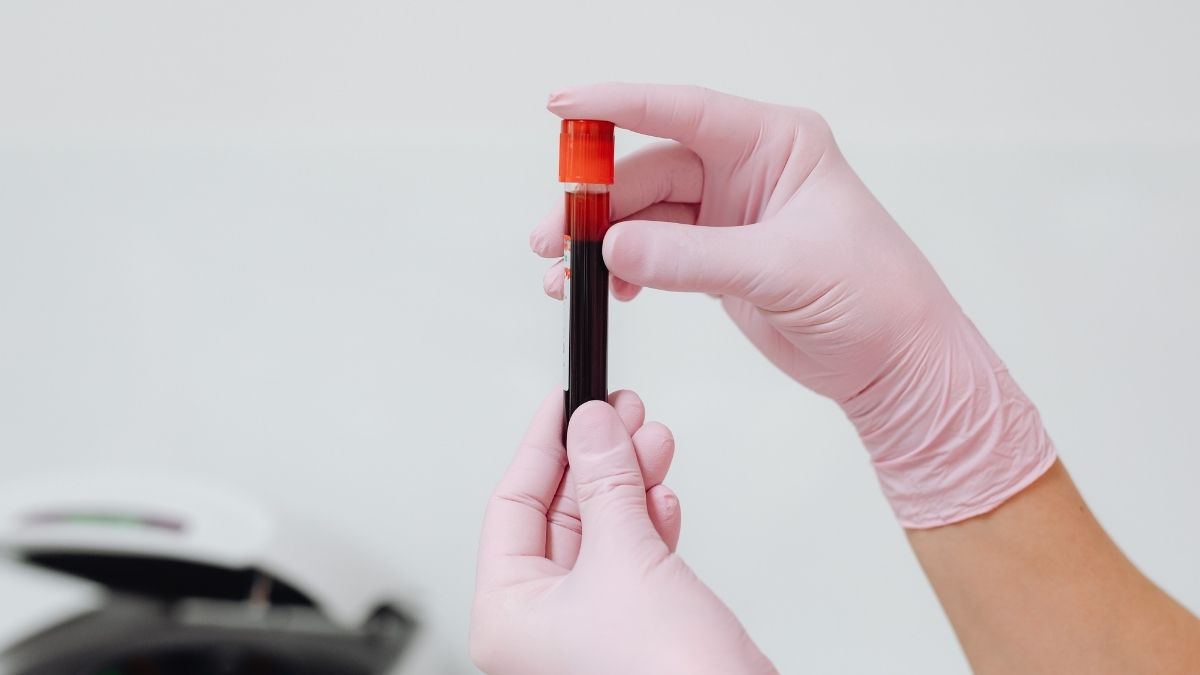
The CBC (Complete Blood Count) and CMP-14 (Comprehensive Metabolic Panel) are often ordered together because they complement each other. One focuses on the cellular components of your blood. The other examines metabolic processes and organ performance.
Combined, they provide a structured overview of immune health, kidney and liver function, blood sugar control, hydration status, and more. Instead of multiple appointments, this panel delivers wide-ranging clinical insight from one sample.
What the CBC with Differential and Platelets Evaluates
The CBC focuses on the structure and composition of your blood. It identifies abnormalities that may signal infection, anemia, inflammation, or clotting disorders.
Red Blood Cell Health
Red blood cells transport oxygen throughout the body. The CBC measures:
- RBC count
- Hemoglobin
- Hematocrit
- MCV, MCH, MCHC, and RDW
These indices reveal cell size, hemoglobin content, and distribution patterns. Together, they help identify types of anemia and underlying causes such as iron deficiency or chronic disease.
Shortness of breath, fatigue, and weakness often correlate with abnormal RBC markers.
White Blood Cell and Immune Activity
White blood cells defend the body against infection. The test measures total WBC count and provides a differential breakdown of:
- Neutrophils
- Lymphocytes
- Monocytes
- Eosinophils
- Basophils
Each cell type plays a specific immune role. Elevated or reduced levels can indicate infection, autoimmune disorders, allergic reactions, or bone marrow conditions.
Platelet Count and Clotting Function
Platelets help control bleeding.
Abnormal platelet levels may suggest clotting abnormalities, bleeding disorders, or bone marrow dysfunction. Persistent bruising or unexplained bleeding often warrants evaluation.
Before moving to metabolic markers, it’s important to recognize that the CBC captures how well your blood is structured and functioning at a cellular level.
What the CMP-14 Measures
While the CBC focuses on blood cells, the CMP-14 evaluates chemistry and organ performance. It looks at glucose, electrolytes, kidney markers, liver enzymes, and protein balance.
Glucose and Blood Sugar Control
The CMP measures fasting glucose levels.
Elevated glucose may indicate diabetes or insulin resistance. Low levels can signal hypoglycemia or endocrine imbalance.
Electrolyte Balance
The panel includes:
- Sodium
- Potassium
- Chloride
- Carbon dioxide (bicarbonate)
These electrolytes regulate fluid balance, nerve signaling, and muscle contractions. Imbalances may reflect dehydration, kidney dysfunction, or hormonal disturbances.
Kidney Function Indicators
Kidney performance is assessed through:
- Blood Urea Nitrogen (BUN)
- Creatinine
- BUN/Creatinine ratio
- Estimated Glomerular Filtration Rate (eGFR)
These markers show how efficiently your kidneys filter waste from the bloodstream. Abnormal levels may indicate reduced kidney function or chronic kidney disease.
Liver Enzymes and Bilirubin
The CMP evaluates liver integrity through:
- ALT
- AST
- Alkaline phosphatase (ALP)
- Bilirubin
Elevated enzymes can signal liver inflammation, fatty liver disease, or medication-related stress. Bilirubin abnormalities may relate to liver or bile duct issues.
Protein and Nutritional Markers
Total protein and albumin reflect nutritional status and liver synthetic function.
Albumin levels also influence fluid balance in tissues. Low levels may indicate malnutrition, chronic illness, or liver impairment.
Calcium and Mineral Balance
Calcium supports bone health, nerve transmission, and muscle function.
Abnormal levels may reflect parathyroid disorders, vitamin D imbalance, or kidney disease.
Together, these CMP markers provide a broad evaluation of metabolic stability and organ health.
When This Combined Panel Is Recommended
Healthcare providers commonly order the CBC and CMP-14 for:
- Routine preventive health screening
- Monitoring diabetes or hypertension
- Evaluating fatigue or unexplained symptoms
- Tracking liver or kidney conditions
- Annual physical exams
Because it covers multiple systems, it often serves as a first-line assessment before more specialized testing.
Test Process and Preparation
The panel requires a standard venous blood draw. The procedure usually takes only a few minutes at a laboratory facility.
Fasting for 8–12 hours is typically recommended. This ensures accurate glucose and metabolic readings.
Results are generally available within a few business days, depending on the laboratory.
Why Ordering Them Together Matters
Pairing the CBC with the CMP-14 maximizes clinical insight from a single blood sample.
Instead of isolating one system, this combination evaluates blood structure, immune defense, metabolic balance, organ efficiency, and nutritional markers at the same time.
For preventive care or ongoing condition management, this panel offers a practical and efficient foundation for informed healthcare decisions.
Leave a Reply