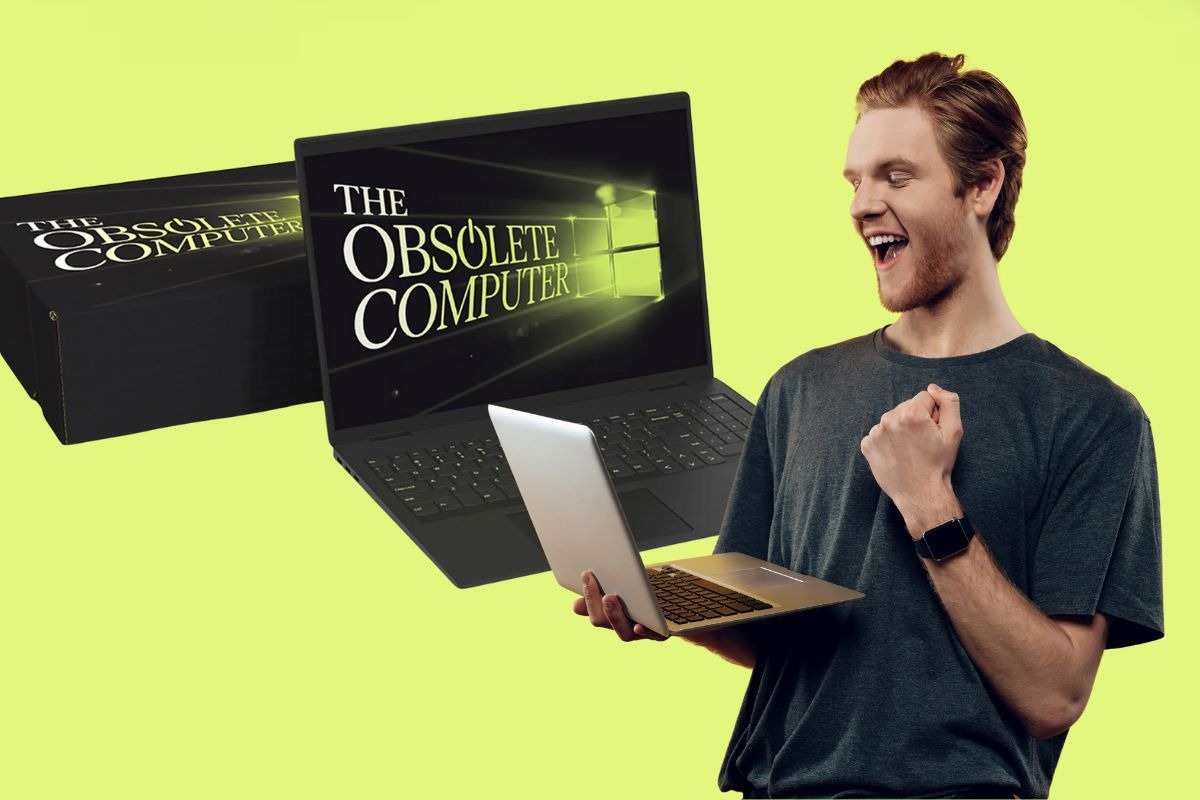
The end of Windows 10 support in October 2025 is set to leave nearly 400 million laptops without updates, pushing many still-functional devices toward unnecessary obsolescence. Instead of discarding these machines, Back Market’s Obsolete Computer Program is giving them a second life.
By installing alternative operating systems like ChromeOS Flex or Linux, these laptops become secure, reliable, and affordable options for everyday use. This initiative not only saves consumers money but also helps reduce e-waste—making tech consumption more sustainable for the future.
The Looming Tech Wasteland: Why 400 Million Computers Face Obsolescence
The modern laptop’s physical lifespan stretches 5-7 years—often longer—yet software support frequently terminates while devices remain perfectly functional. Microsoft’s announcement ending Windows 10 support by October 2025 effectively threatens to strand approximately 400 million computers that can still handle everyday computing tasks with remarkable competence.
These machines aren’t failing; they’re being abandoned by software decisions that accelerate the hardware replacement cycle. Back Market recognized this impending digital cliff and developed a counteroffensive: transforming these “software-obsolete” computers into affordable, sustainable computing alternatives that extend their useful life beyond artificial software deadlines.
What Exactly Is Back Market’s Obsolete Computer Program?
Back Market’s initiative takes a straightforward but revolutionary approach to extending computer lifespans. The program starts with professionally refurbished Windows 10 laptops that would otherwise face premature retirement. These devices undergo a transformation:
A New Digital Heart
Technicians install alternative operating systems—primarily ChromeOS Flex or Linux distributions—that will continue receiving security updates long after Windows 10 support ends. This critical software transplant addresses the primary vulnerability that would otherwise render these machines unsafe for continued use.
Quality Assurance
Each computer undergoes rigorous testing protocols to verify complete functionality. This isn’t merely cosmetic refurbishment—it’s comprehensive restoration ensuring reliable performance for years to come.
Radical Affordability
The most striking feature of the Obsolete Computer program remains its price point. Back Market offers these revitalized machines at dramatically reduced prices—some as low as £99/€99 in select markets. This positions them at a fraction of the cost of new budget laptops while delivering comparable everyday performance.
Consumer Protection
Customers receive Back Market’s standard 1-year warranty and 30-day money-back guarantee—the same protections offered on their premium refurbished items. This commitment demonstrates confidence in the longevity of these “obsolete” machines.
Managing Exceptional Demand
The program has generated such strong interest that demand frequently outpaces supply. In markets where inventory has depleted, Back Market implements giveaway programs to maintain momentum and continue educating consumers about sustainable computing alternatives.
The Environmental Impact of Choosing Refurbished Over New
The environmental mathematics behind computer manufacturing reveals the profound impact of the Obsolete Computer program. Manufacturing a single new laptop generates approximately 316kg of CO2—equivalent to driving a car for months. Research indicates that extending a device’s useful life by just one year reduces its carbon footprint by 25-30%.
Back Market’s initiative potentially diverts thousands of tons of electronic waste from landfills by intercepting functional devices before disposal. Beyond the immediate rescue of specific machines, the program serves as environmental education, challenging consumers to reconsider the necessity of frequent hardware replacements driven by software obsolescence rather than hardware failure.
Each refurbished purchase represents substantial resource conservation: fewer raw materials mined, reduced manufacturing energy consumed, and decreased transportation emissions. The cumulative environmental benefit grows with each device saved from premature disposal.
Why Alternative Operating Systems Make These Computers Viable Again
The technical foundation of Back Market’s Obsolete Computer program rests on the capabilities of alternative operating systems that breathe new life into hardware abandoned by Windows:
ChromeOS Flex delivers a lightweight, cloud-oriented computing experience ideally suited for everyday tasks like web browsing, document editing, and media consumption. Google’s ongoing support ensures these machines remain secure for years beyond Microsoft’s Windows 10 end-of-life deadline.
Linux distributions offer powerful, highly customizable alternatives that frequently run more efficiently on older hardware than Windows. These open-source systems often improve performance on aging machines while providing robust security updates.
Both alternatives effectively address the primary concern when Windows support terminates: security vulnerability. Regular updates protect users against emerging threats without requiring hardware replacement.
Most importantly, these alternative systems handle common computing tasks seamlessly. Web browsing, document creation, email, video streaming, and basic productivity functions operate efficiently—often indistinguishably from the Windows experience for typical users.
Back Market complements this technical solution with comprehensive educational resources that help users transition comfortably to these alternative platforms, minimizing the learning curve.
The Affordability Factor: Computing Access for Everyone
The £99/€99 starting price point represents more than competitive positioning—it democratizes computing access. This dramatic affordability impacts several key demographics:
Students gain access to functional computers for educational purposes at prices parents can justify. Low-income households can cross the digital divide with reliable machines that enable job searches, skill development, and essential online services. Seniors on fixed incomes find affordable options for staying connected with family and accessing increasingly digital government services.
These refurbished systems deliver sufficient performance for remote learning, job applications, basic productivity, and communication—the foundational computing needs that determine digital inclusion. Their affordability makes them excellent options as secondary household devices or first computers for children learning digital literacy.
By positioning these computers at such accessible price points, Back Market transforms what would become electronic waste into tools for educational and economic empowerment.
How Back Market Ensures Quality in Refurbished Devices
Back Market’s quality assurance process transforms potentially discarded machines into reliable computing tools through systematic evaluation and restoration:
Each device undergoes a comprehensive multi-point inspection process performed by professional refurbishers who identify and address functionality issues. Components showing wear or performance degradation get replaced with compatible parts that restore original capabilities. Battery testing ensures minimum performance standards, with replacements installed when original batteries fall below acceptable thresholds.
Security remains paramount—all data undergoes secure erasure using industry-standard protocols to protect both previous and future owners. This combination of hardware restoration and security measures results in devices that function reliably despite their “obsolete” designation.
Consumer protection completes the quality assurance framework. The standard 1-year warranty exceeds many new product warranties, demonstrating confidence in these refurbished machines. The 30-day return policy allows customers to verify that the alternative operating system meets their specific needs without financial risk.
DIY Options: Converting Your Own “Obsolete” Computer
Beyond selling refurbished systems, Back Market empowers consumers to reclaim their own “obsolete” Windows machines through comprehensive DIY resources:
Step-by-step installation guides walk users through the process of installing ChromeOS Flex or various Linux distributions on their existing hardware. Personalized recommendations help users select the optimal alternative operating system based on their specific usage patterns and technical comfort level.
The DIY support infrastructure includes detailed troubleshooting resources that address common conversion challenges and compatibility issues. Community forums facilitate knowledge sharing between users, creating collaborative problem-solving networks for unusual configurations or specialized needs.
Back Market provides tools and protocols for securely backing up important data before conversion, ensuring no critical information is lost during transition. This comprehensive DIY support structure extends the program’s impact beyond direct sales by enabling self-service hardware reclamation.
Smart Computing for a Sustainable Future
As Microsoft winds down Windows 10 support, millions of laptops face an uncertain future. Back Market’s Obsolete Computer Program offers a practical and eco-conscious solution by transforming “obsolete” devices into affordable, high-performing tools.
Whether you’re a student, professional, or budget-conscious buyer, these refurbished laptops provide security, reliability, and real value. Choosing refurbished isn’t just about saving money—it’s about supporting a sustainable future where technology lasts longer and waste is reduced.
Leave a Reply